
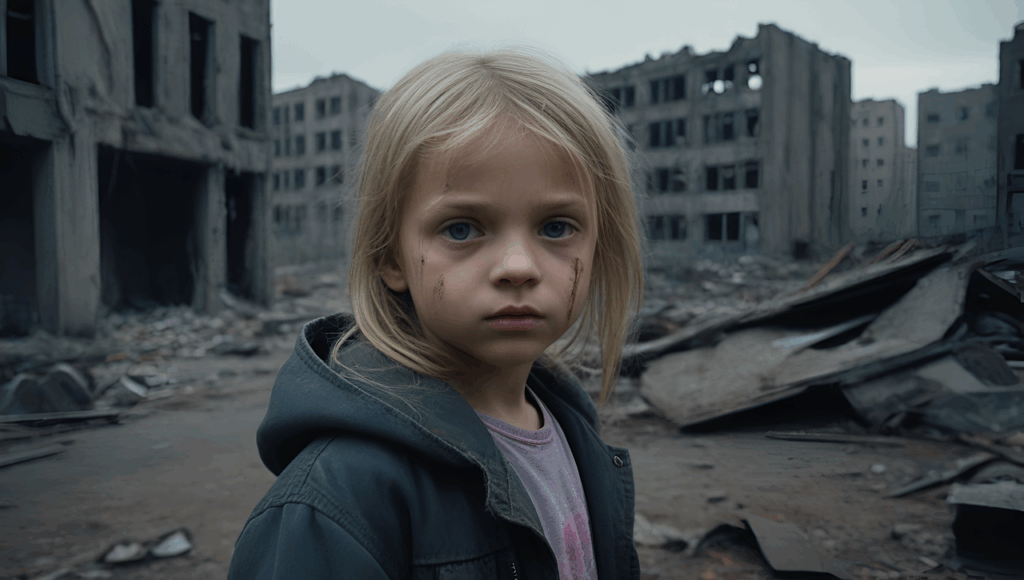
Experts estimate that seventy percent of the U.S. population has experienced at least one traumatic event in their lifetime. While not all trauma is equal in its impact, it does affect children and teens in numerous ways. Trauma also has a cumulative effect and children and teens growing up in certain environments will often experience multiple traumatic events before age eighteen. While you and your ministry may be aware of the trauma your students have faced, it is very likely you have at least one student who has experienced trauma that you know nothing about.

That’s unfortunate, you may think, but what does something in the past have to do with the ministry I am involved in with the child today? Understanding trauma in ministry is crucial because in addition to other negative consequences, trauma can impact behavior, the ability to learn, memory and decision making. All of these are key aspects of helping children and teens mature in their faith.
Because we often leave trauma unaddressed in how we teach Bible classes or run other programs and activities, children and teens with trauma are struggling to get the full benefits from what we are offering. If their trauma is unaddressed or ongoing, they are also operating from a part of the brain that is reactive and find it more difficult to make the well thought out, informed decisions needed to more easily obey God.
You don’t have to use licensed counselors as Bible classes teachers to have trauma informed Bible classes. Your volunteers can easily be trained to teach their classes in such a way that it not only begins to help children and teens process and heal from past trauma, but also helps them move to operating in the part of the brain that is less reactionary and more thoughtful in its decision making process. When that happens, they will find it easier to obey God’s commands.
Our free ebook, Helping Children of War, was originally written for people working with children and teens who had experienced war. Since then, we have found the principles, lessons and activities also work for children in a variety of situations who have experienced some sort of trauma. The book explains trauma and how it impacts young people as well as giving lots of ideas for healing activities and ways they can be easily used in Bible classes settings.
Your Bible students may be struggling to learn, understand and remember what you are teaching them. By creating a trauma informed Bible class, you will make it easier for them to participate and use what you are teaching them in their lives – whether or not you ever learn the details of their traumatic experiences.